Check tire pressure thoroughly. All four tires should be at the recommended PSI to ensure optimal grip and performance on the asphalt. A well-inflated tire can enhance handling and minimize wear throughout the event.
Inspect the brakes. Adequate pad thickness and healthy rotor conditions are critical for maintaining stopping power. Pay attention to any unusual noises that might indicate wear or impending failure.
Fluid levels deserve special attention. Make sure engine oil, coolant, and brake fluid are topped up, as overheating or mechanical failure can derail an entire outing. Regular checks can prevent unforeseen issues down the line.
Verify all safety equipment is ready. A properly functioning helmet, fire extinguisher, and harness should be available before taking to the circuit. Compliance with safety regulations enhances not only personal safety but also that of others on the track.
Conduct a systems check. Ensure that all electronics, like the dashboard and race data logging devices, are operational. These tools provide vital information that can aid in fine-tuning performance during the event.
Key Maintenance Checks Before Hitting the Track

Inspect the brake system meticulously; ensure pads and rotors exhibit minimal wear and are functioning optimally. A hydraulic fluid check is also necessary, ensuring it meets the required levels and quality.
Examine tire pressure and tread depth. Under-inflated or worn tires compromise grip and handling. Ensure they are suitable for the intended high-performance environment.
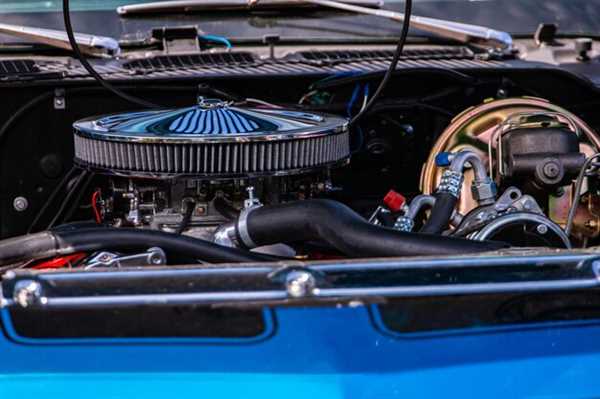
Review fluid levels, focusing on engine oil, coolant, and transmission fluid. Replace any fluid that appears discolored or contaminated to maintain optimal performance and prevent overheating.
Check all belts and hoses for signs of wear or leaks. Cracks, fraying, or bulges can lead to serious failures on the circuit.
Test the battery’s charge and cable connections. A robust power supply is critical for electronics and the fuel system to function correctly.
Verify alignment and suspension settings, ensuring they are tailored for track conditions. Proper setup aids in handling and stability during high-speed maneuvers.
Inspect safety gear, including harnesses and helmets, ensuring compliance with regulations and functionality. Personal protection is paramount in a competitive environment.
Lastly, confirm that all external lights and signals operate properly, as visibility is key during any event, particularly under varying weather conditions.
Tire Selection and Setup for Optimal Performance
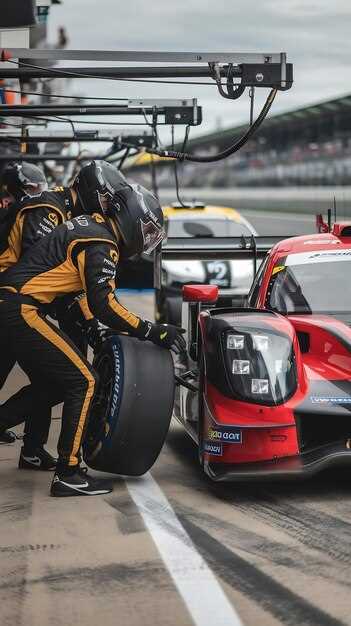
Choose a tire compound that matches weather and track conditions. For hot environments, soft compounds provide better grip, while hard compounds work well in cooler temperatures. Consider slicks for dry tracks and intermediates or wets for rain.
Ensure proper tire pressures based on manufacturer recommendations; slightly lower pressures can enhance grip but beware of overheating. Monitor tire temperatures post-session to adjust pressures accordingly. Aim for even wear patterns by checking alignment and suspension settings.
Implement staggered setups if permitted, adjusting front and rear pressure to optimize handling dynamics. Balance is key; understeer or oversteer can be managed with precise tire selection.
Rotate tires frequently during practice runs to gauge performance. Prioritize a consistent feel throughout the day to build confidence in handling characteristics. Track conditions can change quickly, so be ready to adapt tire choices on-the-fly.
Essential Safety Gear and Equipment for Drivers
A high-quality helmet is a must-have, providing crucial head protection. Choose a model that meets or exceeds safety standards such as Snell or FIA certifications.
Fire-resistant suits are mandatory. Look for materials that provide thermal protection while allowing breathability. Ensure a snug fit to prevent any loose fabric from interfering with movements.
Gloves crafted from fire-retardant materials enhance grip and protect hands. Opt for designs that allow full dexterity without compromising safety.
Boots should feature reinforced toes and fire-resistant materials. Select a design that supports the ankle while ensuring comfort during long sessions on the circuit.
A neck brace can significantly reduce the risk of injury in the event of a collision. Invest in a lightweight yet sturdy model designed for racing environments.
Keep communication devices handy for seamless interaction with the pit crew. A reliable radio system is vital for receiving real-time updates on conditions and instructions.
Finally, a comprehensive first aid kit should always be part of the gear. Ensure it is stocked with essentials like bandages, antiseptics, and emergency instructions, ready for any situation that may arise.